ByJohn A
Why Crypto Exchanges Require Identity Verification
Identity verification on crypto exchanges is driven by obligations to curb illicit activity and ensure compliant access. Platforms apply KYC and AML standards to verify users, monitor transactions, and report suspicious behavior. Verification reduces operational risk and supports cross-border cooperation, while safeguarding data privacy and limiting excessive data collection. The process signals legitimate use and governance strength, yet it introduces trade-offs in privacy and friction. The implications for safety and legality prompt continued consideration of when, how, and why verification should evolve.
What Identity Verification Is and Why It’s Required
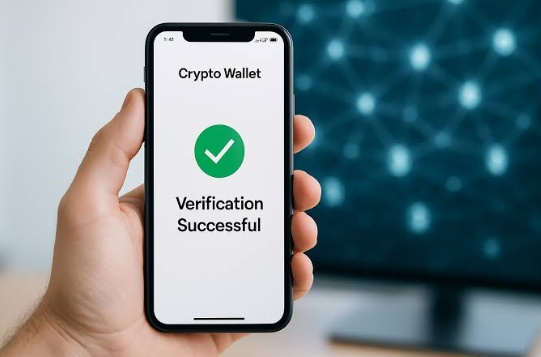
Identity verification is the process by which a crypto exchange confirms a user’s identity to establish legal compliance and reduce risk.
The procedure assesses risk exposure, enabling legitimate transactions while deterring fraud and illicit activity.
Compliance demands data privacy safeguards, limiting collection and retention.
Effective verification balances transparency with user autonomy, ensuring secure access without compromising freedom or user rights in financial markets.
See also: argentdore
How KYC and AML Rules Shape Crypto Exchanges
KYC (Know Your Customer) and AML (Anti-Money Laundering) rules directly shape the operation and risk posture of crypto exchanges by mandating customer identity verification, transaction monitoring, and suspicious activity reporting. This framework imposes rigorous compliance workflows, data handling standards, and governance structures. The policy implications affect risk appetite, incident response, and cross-border collaboration while preserving user autonomy and market integrity through disciplined identity verification.
How Verification Protects You and the Platform
Verification acts as a frontline defense for both users and the platform, reducing the risk of illicit activity by ensuring that participants are properly identified and accountable.
Verification creates traceable accountability, deterring fraud and enabling rapid response to incidents.
While identity theft concerns arise, safeguards exist; however, privacy tradeoffs accompany enhanced protection.
The balance favors safer markets, clearer risk signals, and informed freedom within regulated boundaries.
What to Expect During the Verification Process and Common Pitfalls
As this topic builds on the prior discussion of verification as a guardrail, the focus shifts to what participants experience during the process and where missteps commonly occur.
Verification sessions reveal procedural steps, document requirements, and potential delays, with emphasis on security loopholes and privacy tradeoffs.
Awareness of timelines and compliance expectations reduces risk and supports measured, deliberate participation aligned with individual freedom.
Frequently Asked Questions
What Are Common Reasons a Verification Fails After Submission?
Yet, verification failures arise from common causes such as mismatched data, poor image quality, or document expiry; retry strategies include re-uploading, verifying data consistency, and following best practices, all framed in a risk-focused, precise, freedom-oriented assessment.
How Long Does Verification Typically Take Across Platforms?
Recent data shows 60% of verifications complete within 24 hours; others extend to several days due to document quality. In that timeframe, compliance timelines hinge on identity authenticity and risk signals, guiding platforms’ regulatory duties and user freedom.
Can You Dispute a Denial or Request a Second Review?
Yes, a dispute denial can be challenged, and a second review request may be submitted. The process, timelines, and documentation requirements vary by platform, emphasizing risk management and user rights while safeguarding compliance and financial integrity.
Do Verification Requirements Vary by Country or Region?
Verification scope varies by country, and regional differences shape thresholds and documentation. Juxtaposition maps caution and aspiration: safeguards, yet freedom is pursued. The examination centers on risk, compliance, and user rights within each jurisdiction.
Are There Privacy Guarantees for Stored Identity Data?
Yes, privacy guarantees exist, but depend on jurisdiction; identity data is protected yet can be accessed under law. Verification timelines vary; regional variation matters. Verification failure reasons may trigger second review options, risk flags, and limited access.
Conclusion
In a landscape where trust is a currency, identity verification anchors safety amid volatility. Juxtaposed against anonymity’s allure, regulators demand transparency to curb illicit flow; exchanges balance privacy with risk controls. Verification both protects users from fraud and shields platforms from liability, yet introduces friction and data-security responsibilities. The trade-off is precise: stronger safeguards without stifling access. As compliance tightens, informed participants gain clearer risk signals, enabling safer, more resilient markets that still welcome legitimate, verifiable activity.