ByJohn A
Artificial Intelligence in Retail Stores
Artificial intelligence in retail stores is reshaping operations with precise demand signals and optimized assortments. Analytics drive smarter inventory, pricing, and shelf placement while reducing waste and stockouts. In-store experiences become data-informed and personalized, supporting efficiency without sacrificing privacy. Governance and ethics accompany rapid experimentation, ensuring accountability and trust. The result is a measurable uplift in margins and customer satisfaction, yet the path invites scrutiny of implementation choices, data streams, and long-term impact on the shopper journey.
What AI Is Doing in Modern Retail
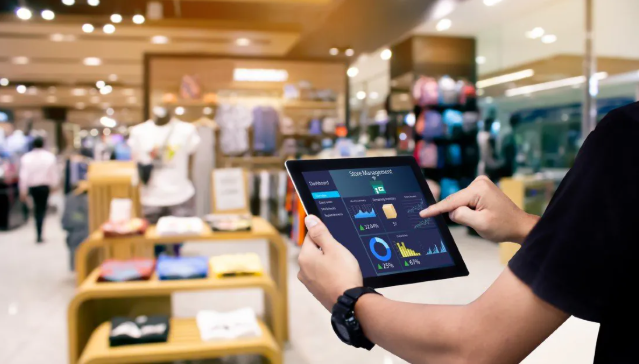
AI is transforming the retail landscape by enabling more precise demand forecasting, personalized customer interactions, and streamlined operations. In modern stores, data-driven models predict demand, optimize staffing, and reduce waste, while ethical AI frameworks guide transparency and accountability.
Shop floor analytics enhance store security, detecting anomalies without intruding on privacy, and empowering teams to act decisively.
Smarter Inventory and Pricing With AI
This approach enables smart stocking, dynamic price optimization, and adaptive replenishment, reducing waste while boosting margins.
Decisions are data-driven, transparent, and scalable, aligning assortments with demand and freeing retailers to pursue strategic experimentation and growth.
See also: argentdore
In-Store AI Experiences Shaping Customer Care
In-store AI experiences are redefining customer care by delivering real-time, contextually aware support that blends digital insights with human services. The approach leverages customer service analytics to quantify interactions and outcomes, informing scalable improvements.
Experiential personalization, delivered without friction, guides recommendations, assistance, and service routing. This architecture enables proactive care, actionable insights, and measurable satisfaction across diverse shopper journeys.
Choosing, Implementing, and Measuring AI in Stores
Projected architectures align smart shelves with data streams, enabling real-time decisions while preserving privacy.
Transparent governance guides ethical considerations, balancing innovation and risk.
KPIs quantify impact, iterative pilots validate feasibility, and scalable deployment transforms operations, customer journeys, and profitability through disciplined, freedom-minded experimentation.
Frequently Asked Questions
How Do Stores Protect Customer Privacy With AI Surveillance?
Stores protect privacy by embedding ethics consent and data minimization into AI surveillance, ensuring transparent data use, purpose limitation, and strict access controls; visionaries favor accountable governance, measurable risk reduction, and freedom through informed choices for customers and staff.
What Are the Most Common AI Mistakes in Retail?
Mistakes loom where AI bias skews customer insight and cost overruns inflate budgets; the most common errors emerge from misaligned goals, poor data quality, and opaque models, undermining trust, scalability, and freedom to innovate.
Will AI Replace Human Roles in Stores Soon?
AI impact suggests gradual shifts, not abrupt replacement; automation augments roles while some routine tasks decline. The analysis emphasizes job displacement alongside new opportunities, urging strategy that empowers workers and preserves autonomy amid data-driven, pragmatic retail evolution.
How Is AI Trained for Diverse Shopper Demographics?
Silence, like a seed growing, marks AI training for diverse shopper demographics. AI training diversity relies on rigorous demographic data labeling, ensuring models generalize. It remains pragmatic, data-driven, visionary—empowering freedom while responsibly shaping inclusive retail experiences.
What Is the Return on Investment for Small Retailers?
Return on investment for small retailers hinges on measurable lift from targeted insights, with predictable payback timelines; privacy protection and AI surveillance safeguards must precede adoption, enabling data-driven growth while preserving consumer autonomy and freedom to choose.
Conclusion
AI in retail stands as a paradox of scarcity and abundance. Real-time data refines stock while crowds of shoppers demand personal, private moments. Automated insights drive margins yet require transparent governance to earn trust. Precision pricing coexists with humane service; smart shelves echo with choices while safeguarding privacy. In this duality, retailers harness measurable gains without losing humanity, charting a pragmatic, data-driven path toward experiential, scalable innovation.